Missing one or more teeth? You’re not alone. Millions of people worldwide face this challenge, but the good news is that modern dentistry offers remarkable solutions. Dental implants have revolutionized tooth replacement, providing a permanent, natural-looking alternative to dentures and bridges. However, not all implants are created equal. Understanding the different types of dental implants available can help you make an informed decision about which option best suits your unique dental needs and lifestyle.
Understanding Dental Implant Basics
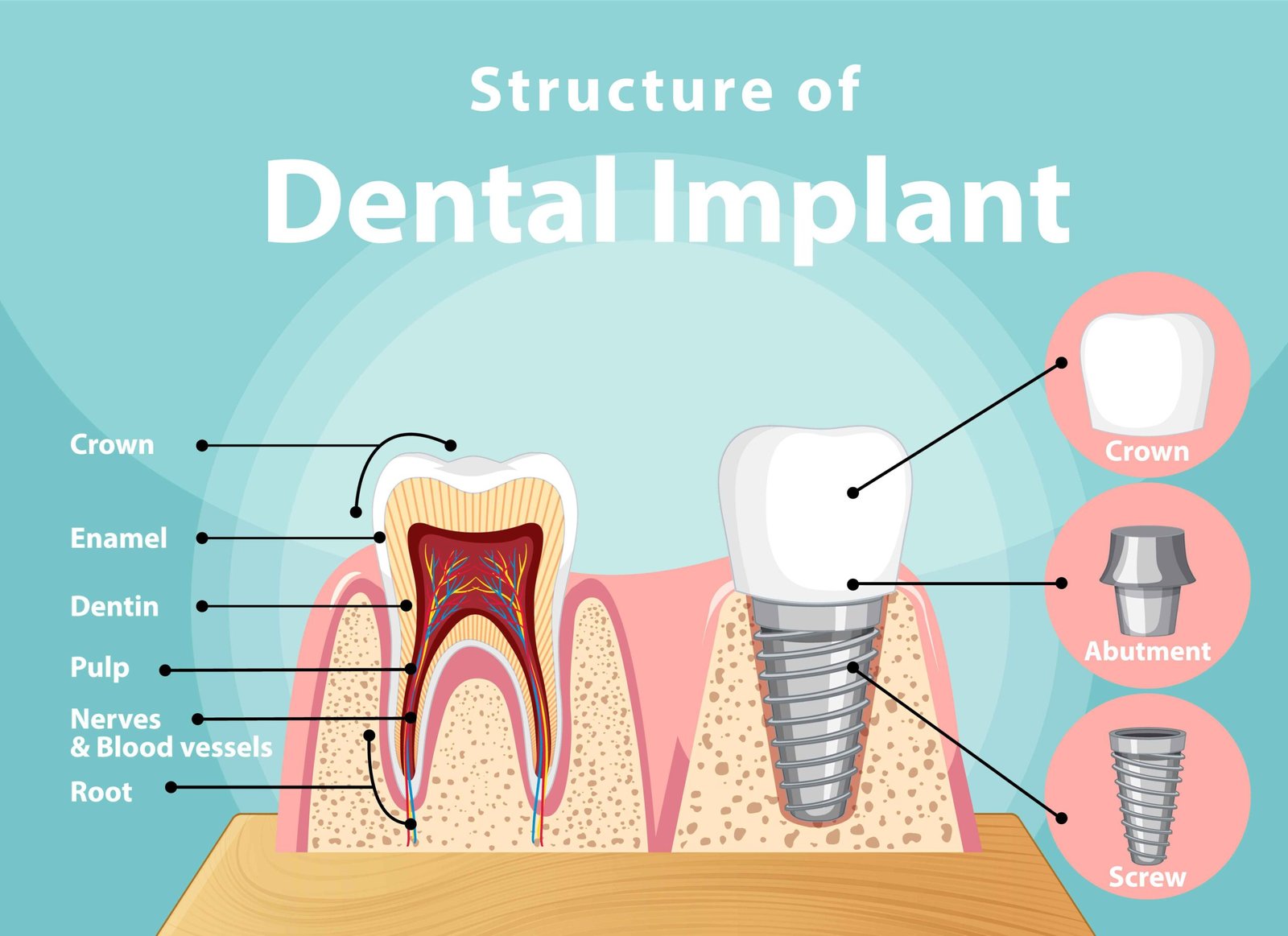
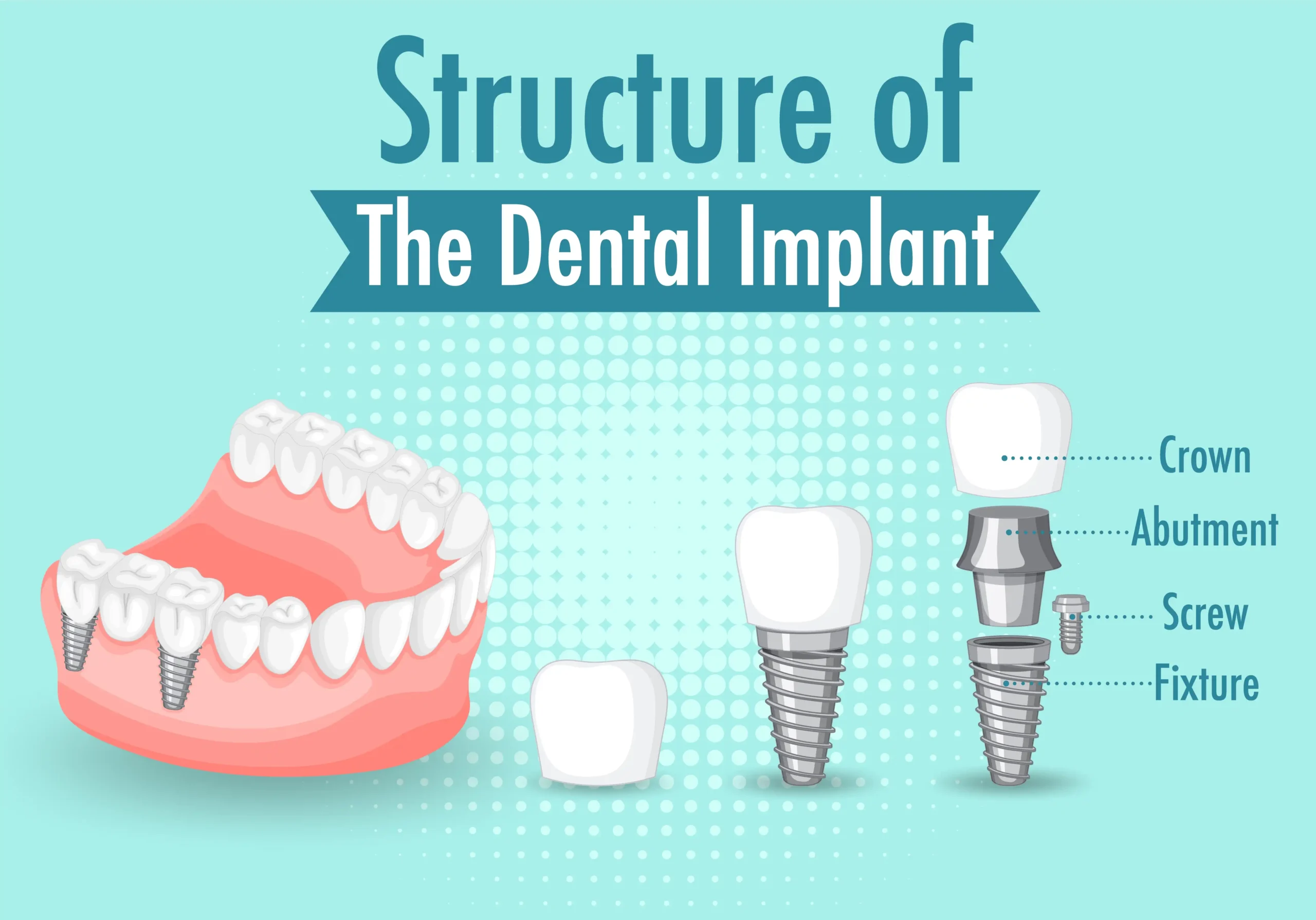
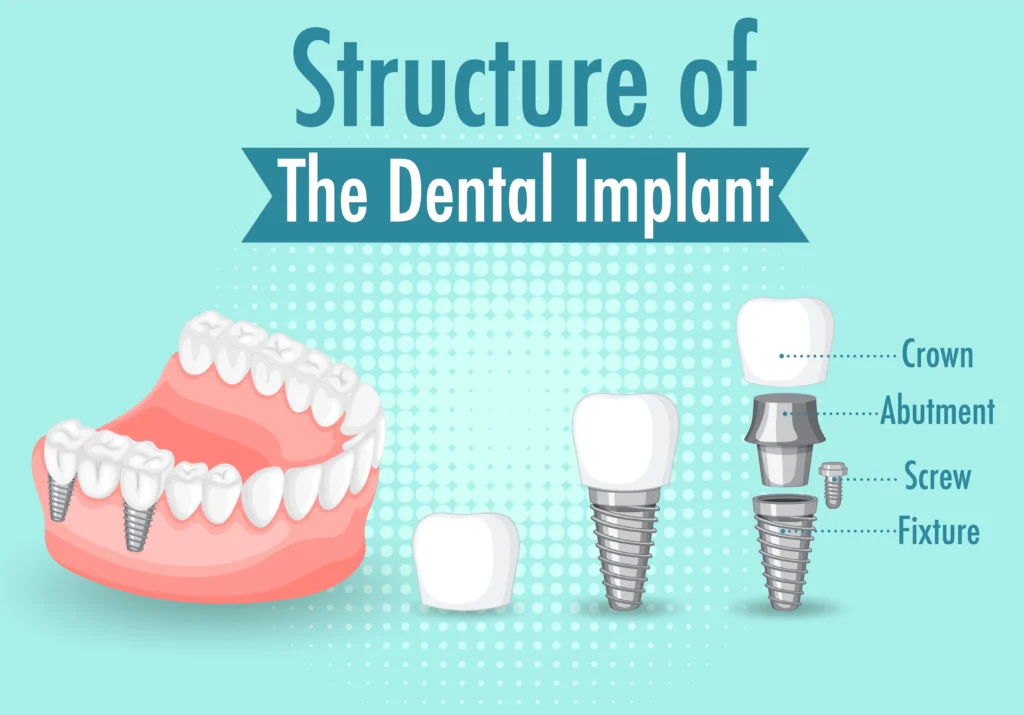
Before diving into the specific types of dental implants, it’s important to understand what makes them such an effective solution. A dental implant is a titanium post surgically placed into your jawbone, acting as an artificial tooth root. This foundation supports a crown, bridge, or denture, creating a restoration that looks, feels, and functions just like your natural teeth.
The beauty of implants lies in their versatility. Whether you’re missing a single tooth or need a full arch restoration, there’s an implant solution designed for your situation. The key is choosing the right type based on your bone density, oral health, budget, and treatment timeline. Research has demonstrated that dental implants achieve impressive long-term success rates, with studies showing survival rates above 94% over extended follow-up periods (Moraschini et al., 2015).
Endosteal vs Subperiosteal Implants: The Primary Categories
When discussing dental implant types and benefits, the conversation often begins with the two main categories: endosteal and subperiosteal implants.
Endosteal implants are the most common type, accounting for the vast majority of implant procedures worldwide. These implants are placed directly into the jawbone, making them incredibly stable and durable. Endosteal implants typically look like small screws, cylinders, or blades, and are made from biocompatible titanium that fuses with your bone through a process called osseointegration. This biological process creates a direct structural connection between living bone and the implant surface, which is critical for long-term stability (Gupta & Weber, 2023). This type is ideal for patients with sufficient bone density and healthy gums.
Subperiosteal implants, on the other hand, are positioned under the gum but above or on the jawbone. Instead of being inserted into the bone, these implants rest on top of it with a metal framework that holds the prosthetic teeth. Subperiosteal implants are less common today but may be recommended for patients who have experienced significant bone loss and cannot or do not wish to undergo bone grafting procedures.
The choice between endosteal vs subperiosteal implants depends largely on your bone structure and overall oral health. Advanced diagnostic tools like CBCT 3D scanners allow dentists to assess your bone quality precisely and recommend the most suitable option.
Single-Tooth, Multiple-Tooth, and Full-Arch Implants
Beyond the placement method, dental implants are also categorized by how many teeth they replace:
Single-tooth implants replace one missing tooth with one implant and one crown. This option preserves your natural teeth and prevents bone loss in the area where the tooth was lost. It’s the gold standard for single-tooth replacement because it doesn’t require altering adjacent healthy teeth, unlike traditional bridges.
Multiple-tooth implants use two or more implants to support a bridge that replaces several consecutive missing teeth. This approach is more cost-effective than placing individual implants for each missing tooth while still providing excellent stability and function.
Full-arch implants, such as the All-on-4 or All-on-6 systems, replace an entire upper or lower arch of teeth using just four to six strategically placed implants. These innovative solutions offer patients a complete smile transformation in a single procedure, often with immediate loading of temporary teeth.
Immediate Load vs Delayed Load Implants
Timing is another important factor when exploring types of dental implants. Immediate load implants allow your dentist to place a temporary tooth during the same appointment as the implant surgery. This option is ideal for patients who want to avoid the gap-toothed appearance during the healing period.
Delayed load implants follow the traditional approach, where the implant is left to integrate with the bone for three to six months before the permanent crown is attached. While this requires more patience, it often provides the most predictable results, especially in cases where bone quality is a concern.
Mini Dental Implants: A Smaller Alternative
Mini dental implants are narrower than traditional implants, with a diameter of less than 3mm. They’re primarily used to stabilize lower dentures or in areas where space is limited. While they’re less invasive and more affordable, they may not be suitable for all situations, particularly for replacing larger teeth that endure significant chewing forces.
Material Innovations: Titanium vs Zirconia
Most implants are made from titanium, a material prized for its strength and biocompatibility. However, zirconia implants have emerged as a metal-free alternative for patients with metal sensitivities or those who prefer a more holistic approach. Zirconia implants are white, making them aesthetically appealing, especially for front teeth. However, they have a shorter track record than titanium and may not be suitable for all cases.
Choosing the Right Implant for You
Selecting the appropriate dental implant type involves considering several factors: your bone density, the location of the missing tooth, your budget, and your timeline. Advanced diagnostic technology, such as CBCT 3D scanning, plays a crucial role in creating a precise treatment plan tailored to your anatomy.
Working with an experienced implant specialist ensures that you receive a comprehensive evaluation and a recommendation based on proven techniques and quality materials. High-quality German implants, for instance, are known for their precision engineering and long-term success rates.
Summary
The world of dental implants offers diverse solutions for every patient’s needs. From endosteal vs subperiosteal implants to single-tooth and full-arch restorations, understanding the dental implant types and benefits empowers you to make confident decisions about your oral health. Whether you need immediate results or prefer the traditional approach, modern implant dentistry can restore your smile’s function, aesthetics, and confidence for a lifetime.
Frequently Asked Questions
1. How long do dental implants last?
With proper care and maintenance, dental implants can last a lifetime. The crown may need replacement after 10-15 years due to normal wear, but the implant itself typically remains stable indefinitely when placed by an experienced specialist.
2. Are dental implants painful?
The implant procedure is performed under local anesthesia, so you won’t feel pain during the surgery. Most patients report minimal discomfort afterward, which can be managed with over-the-counter pain medication. Advanced techniques and precision planning have made the process more comfortable than ever.
3. How much do dental implants cost in Dubai?
The cost varies depending on the type of implant, the number of teeth being replaced, and any additional procedures needed. High-quality implants typically start at 3,000 AED, with comprehensive packages often including diagnostic imaging, treatment planning, and follow-up care.
4. Am I a candidate for dental implants if I have bone loss?
Many patients with bone loss can still receive implants through bone grafting procedures or by choosing alternatives like subperiosteal implants or zygomatic implants. A CBCT 3D scan can determine your bone quality and help your dentist recommend the best approach.
Transform Your Smile with Dr. Mohamed Sharshera
Ready to restore your confidence with a permanent, natural-looking smile? Dr. Mohamed Sharshera, a master of implant dentistry with over 5,000 successful cases, invites you to experience world-class care in Dubai. Trained at the prestigious MCM Genova in Italy and specializing in minimally invasive techniques, Dr. Mohamed combines surgical precision with artistic excellence to deliver life-changing results.
Book your consultation today and receive:
- Free X-ray
- Free Scaling
- Free Cleaning
- Free Teeth Whitening
- Over AED 2,500 in FREE treatments included
With advanced CBCT 3D scanning technology, high-quality German implants, and a commitment to patient comfort, Dr. Mohamed Sharshera’s clinic offers everything you need for a successful smile transformation. Don’t let missing teeth hold you back any longer.
Contact Dr. Mohamed Sharshera’s clinic in Dubai now to schedule your appointment. Limited consultation slots available take the first step toward your new smile today!
References
Gupta, R., & Weber, K. K. (2023). Dental implants. In StatPearls. StatPearls Publishing.
Moraschini, V., Poubel, L. A., Ferreira, V. F., & Barboza, E. S. (2015). Evaluation of survival and success rates of dental implants reported in longitudinal studies with a follow-up period of at least 10 years: A systematic review. International Journal of Oral and Maxillofacial Surgery, 44(3), 377-388.